What needs to stay on?
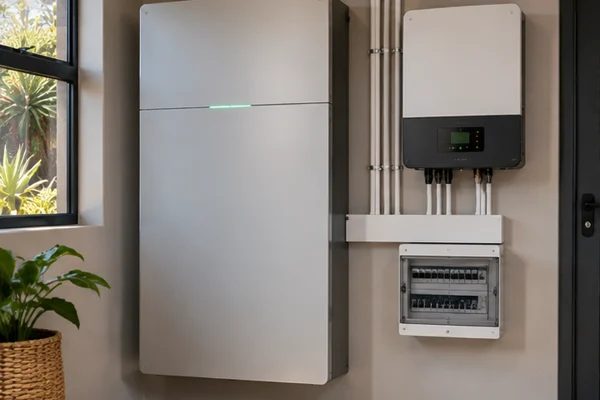
List the appliances you want during an outage and which might run together. An inverter’s kW rating relates to power at one time. A battery’s kWh rating relates to stored energy.
SOLAR PV & BATTERY
Start with what you want to power. Get a planning estimate, sketch your roof and find out what to ask for in a quote.
See what I may need
List the appliances you want during an outage and which might run together. An inverter’s kW rating relates to power at one time. A battery’s kWh rating relates to stored energy.
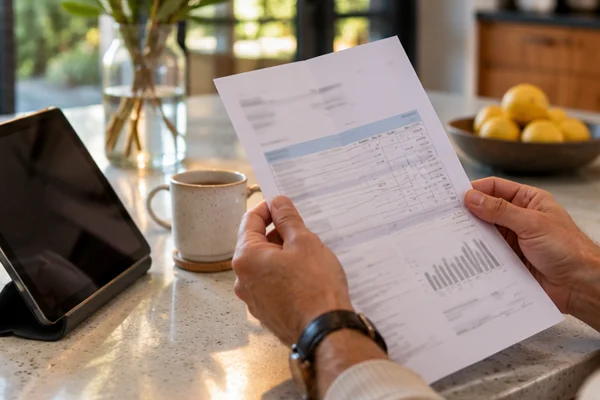
Use the electricity consumed in kWh and the number of billing days. Note whether Eskom or a municipal distributor supplies you.
Look for usable roof sections, chimneys, trees and other sources of shade. An installer should check the structure, cable routes and equipment location before quoting.
Check solar compliance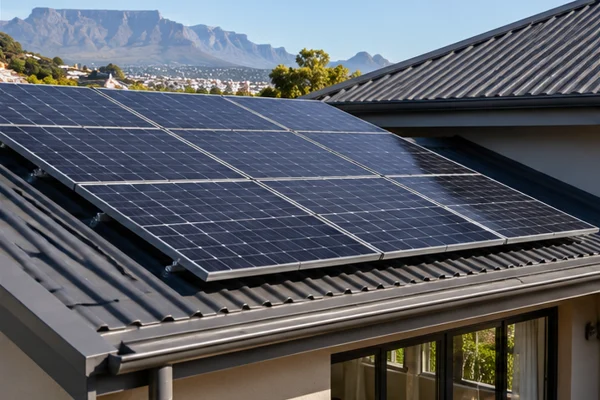
A TYPICAL HOME HYBRID SYSTEM
Follow the arrows to see how electricity moves around a solar and battery system.
Solar can power your home and charge the battery when there’s power to spare.
The battery can supply stored energy. The grid can cover additional demand when available, depending on your settings.
A backup-capable system isolates from the grid and can keep designated circuits running. Runtime depends on what you use and the battery charge available.
Tell us what you want solar or backup power to do. Add anything you know about your roof for a combined budget and survey guide.
FROM ESTIMATE TO SITE VISIT
An installer checks how you use electricity, where equipment could go and what your property needs before preparing a quote.

Tell us what you want to power. We’ll follow up to confirm the details needed for an itemised, no-obligation quote. We’ll use your planner answers to start the conversation and confirm availability, the scope of the visit and any survey fee before you agree.
The installer reviews electricity use and checks the circuits you want on backup. They’ll look at the distribution board, cable routes and space for the inverter and battery. If you want panels, they’ll also assess roof dimensions, condition, direction and shade.
Ask for an itemised quote showing the recommended equipment, what it can power, expected backup time, installation costs and warranties. For solar, ask for the proposed panel layout and what the quote covers for approvals and certificates.
The installer will handle on-site checks. You can send an enquiry with your town or suburb and arrange any visit details when we follow up.
See electrical and grid-connection requirementsSOUTH AFRICAN SOLAR FINANCE
Start with a site survey and an itemised quote. Ask your lender which installers and equipment it accepts before paying a deposit. Product limits and availability can change. See the provider’s own terms before applying.
Cash gives you ownership upfront. A separate loan spreads the cost. If you have a home loan, ask about available funds or a further advance and compare total interest over the full term. If looking at rent-to-own, check who owns the equipment during the agreement, maintenance, price increases and what happens if you move.

Compare a dedicated energy loan and home-loan options. Open the product page, choose your route and check the documents required for your application.
Absa solar options and callbackAsk about including solar in a new, switched or existing home-loan application. Start through nav» Home in the FNB app and check which installer documentation FNB requires.
FNB nav» HomeFor standalone asset finance, get a quote from an approved supplier and gather your identity and income documents, bank statements and insurance quote. For property-backed funding, ask Nedbank about its home-loan route.
Asset finance steps · Home-loan termsStart from the Energy Loan page. Prepare your quote, proof of income and, if you bank elsewhere, your last three months of bank statements.
Standard Bank eligibility and applicationInvestec offers sustainability finance to its Private Bank account holders. Use its website to check the route for someone with or without an existing Investec home loan.
Investec eligibility and enquiryAsset finance or a term loan can fund a system your business purchases. A power purchase agreement (PPA) typically means a provider owns the system and you pay an agreed price per unit of electricity. Compare the yearly tariff increase, minimum purchase commitments, maintenance, buyout and exit terms. If you lease your premises, check landlord consent and whether your lease term suits the finance contract.
Use Absa’s renewable energy page to contact its team. Share the site, project scope, installer proposal and how you want to fund the system.
Absa business solar financeDiscuss asset finance or a PPA with the alternative energy team. Ask whether your proposed installer meets the bank’s requirements.
FNB energy finance enquiry · FNB PPA optionsNedbank CIB describes asset finance for commercial solar equipment. Open its guide for the assessment process and contact details, then confirm the terms for your project directly with Nedbank.
Nedbank commercial solar finance and contactIts page lists finance for grid-tied, hybrid and off-grid solar PV systems from R10,000. New clients can apply online and need at least two years’ trading history. Existing clients can contact their relationship manager.
Standard Bank business applicationQualifying automotive manufacturers and suppliers may be able to include solar under the programme’s energy-efficiency rules. Check section 8.4 of the amended guidelines, ownership evidence and application timing with the dtic before committing spend.
dtic eligibility and application forms · Amended guidelinesIDC’s AFD Green Energy Fund covers qualifying renewable-energy and efficiency projects. DBSA’s Embedded Generation Investment Programme targets qualifying independent power producers. Start with the programme criteria and check whether it is taking applications before preparing a project proposal, financial model and site or offtake documents.
IDC energy funding enquiries · DBSA programmeSARS guidance describes a potential first-year deduction for qualifying solar PV assets generating up to 1 MW. The allowance reduces taxable income. Ask your tax adviser to check ownership, qualifying costs and the date the system first came into use. Keep invoices and commissioning evidence for your company tax return. The temporary 125% section 12BA allowance applied to qualifying assets first brought into use before 1 March 2025.
SARS guide to sections 12B and 12BAThe national household solar-panel tax credit applied to qualifying panels first brought into use from 1 March 2023 to 29 February 2024. The original Energy Bounce-Back window ran to August 2024. The African Development Bank reports participating banks extended it to February 2025. Keep both out of your budget for a new installation. Our review found no confirmed open national household rooftop PV grant.
SARS rebate dates · Treasury scheme FAQ · Reporting on the bank extensionEligible Cape Town customers with an approved feed-in system can check whether they qualify for Cash for Power. Export terms depend on your electricity distributor and tariff. Ask your distributor about approvals, metering, charges and application forms before counting export payments in your budget.
City of Cape Town application guidanceProvider links checked 25 November 2026. Organisation marks identify the sources listed. Trade Trust provides information and a survey enquiry. Apply directly with the provider and send financial documents only through its official channels. Provider links open in a new tab.
Trade Trust uses broad planning bands informed by published South African price guides. Brands, site conditions, backup circuits, electrical remedials, VAT and distributor requirements can change a quote. Confirm inclusions with your installer.
SA Solar Hub price guide · EnergyBee sizing and pricing guide · Lekker Trade backup cost guide.